Sweet Familiarity

As much as we plan our lives, unpredictability may knock at our doors at any time and we are forced to answer. Life is happening every day; life is every millisecond that unravels and it is continuity whether we understand it at the moment or not. Whether we measure life in heartbeats, brain function, hours, years, or the moment we open our eyes in the morning to mark another day, life goes on, and is, all the time. We may hope for better days but we are constantly living; we cannot hope to start living.

We take many things for granted – jobs, material things, water, electricity, a home, food, and unfortunately, even people. It is in the absence of any of these things (or all at once) when we realize their value. Have you ever thought of the possibility of losing any or all of these? How would you react? If the safety of your everyday routine were to be shaken and threatened, would you appreciate life more, however you measure life? Think of these things for a couple of minutes – from your basic needs to your more sophisticated needs or wants, and the people who make up your life circle.

To quote Forest Gump – “Life is like a box of chocolates … .” However,  we don’t expect to find the box empty. Our challenges in life determine our level of strength. Our perception of these determine our level of sweetness many times, but it is up to us to add the sugar. Maybe tomorrow may start and be similar to today, but it is when this sweet familiarity disappears that we miss it the most.

Simplicity

Simplicity – The quality or condition of being simple.

Simple – Easily understood or done. Plain and basic or uncomplicated in form, nature, or design.  (Oxford English Dictionary)


Over the past few years my quest have been to embrace simplicity. It seems that it may be part of human nature to make things less simple. We take something basic and we build or design other things around it, whether material or non-tangible such as rituals, ceremonies, celebration, protocols, and so on. We are embellishers by nature. We may become obscure, and sometimes obtuse, for the sake of completion, in our search for becoming whole. We attach rituals and a series of steps to spirituality, and even tools and other gadgets to complete the package.

Many times, all the preliminary stuff diminishes the joy and meaning of our intention and makes our target feel farther than it is. Why do we do this to ourselves? Is it in the name of wholeness, greatness, status, or self-preservation? Is it the nature of being, and therefore inescapable? Of having the experience in the material and the spiritual? Our entire civilization, society, speaks of it. We have taken the concept of shelter or the basic need of eating, for example, and built around it. Hence all the gadgets and toys we enjoy, the mansions, the fine cuisine, and all the emotions and meaning that we attach to these things. Even in the search for simplicity we overdo or complicate things – meditation groups and techniques, lists and journals, gadgets, rituals … .

Do we go back to find simplicity because we had enough or because we lost that part of us, the sense of it? Is it because without it we do not feel whole? At any point of our lives we may try to return to it, and the quest begins (sometimes with all the bells and whistles that we may attach to it). Is it the beginning or the end? Or a circle, a cycle of life?

This post is an example on how to take a simple concept and make it complicated.

Finding Peace in Who I Am

Peace – The absence of war or other hostilities. An agreement or treaty to end hostilities. (American Heritage Dictionary)

Peace. We like the word. We hope for peace on earth. We dream of peace. We pray for peace. However, we see peace as something outside ourselves. Something that happens in the outside. Seldom do we relate to peace within, or when we do, we attach it to spirituality.

According to the above definition of peace, the absence of war and hostilities is necessary to achieve peace. There must be an agreement, a treaty, for peace to be possible. To achieve peace within, the same agreement with oneself must happen, not out of spirituality, religious beliefs, or a third-party (although those could be a door/a catalyst for some people) but out of acceptance and understanding. How can I find peace in who I am? And without involving third parties?

It is a question I’ve asked myself many times. It is an evolving question. As individuals, we grow and evolve. We fight outside wars and inner battles. We deal with feelings, emotions, and facts. We dream, we imagine, we hope, we love, we hate … . We embrace complexity, many times in the quest for simplicity, in the search for truth. I’ve come to the realization that for truth to be found there must be inner peace, and for inner peace to be present, there must be acceptance and understanding of my self, of the one who I am, the one who grows and evolves.

How do I find peace in who I am? By not fighting the process. By not being at war or resisting the inevitability of evolution. By agreeing to take every step in the journey in acceptance and understanding. Whether the battle originates internally, or is a result of focusing on the fire being directed from outside sources, the only way to achieve peace is by looking at my truth objectively, and understand, accept, that I am in the moment. The past I am is no more, and the future I am is an illusion. I am now, and as long as I understand and accept that, then I am at peace.

Crescent Moon, Rising Sun – On little by little, one step at a time.

This post is a reflection on my experience. At one point, I had become fully engaged in multiple goals, personal and professional – maybe too many. I had always been a dreamer, and the type of person who felt guilty if there was a slot of time not filled with something productive. Multitasking sounded more than acceptable, and I engaged in it as well. It was right of my alley. I put a lot of pressure on myself over the past 10 years to accomplish everything that I thought “was due.” Some things I did not accomplish, some I started and decided to stop because the time was not right for them to be fruitful, and others, I decided to put aside for good. At times, it felt as if I was swimming at high-speed not to miss the boat that was already gone, or so I thought. I tried to catch up with my dreams and with time. It was a matter of time before the crash.

I had to learn to slow down and live one day at a time. I discarded the word multitasking and adopted a new philosophy of living – one thing at a time, one day at a time. I stopped blaming “others and the situation” and accepted the truth – that I am the only one in control, and the one who sets the pace. I had to go back and retrain myself in various areas. I also learned to depend more on God and less on my vision of things, although I don’t consider myself a religious person in the popular meaning of the word. This process strengthened my faith and patience. I saw that I could express more little by little, step by step. I enjoy the task at hand more, and am able to widen my vision; I see more now. I trust God’s process more.

I was a heavy planner and I thrived on multiple lists both short-term and long-term, many times as far as a 10-year plan. I am not suggesting that planning is bad, on the contrary, it is healthy; obsessive or too much structured planning is not the best choice. I had to understand that life’s plans can change in a split of a second – it is called life. Life doesn’t get in the way, it just is. It is called living. I plan now for living, not for the sake of achieving. Some of you might argue that part of living is achieving, and I agree. I say that achieving without living is pointless.

Now, I look at a crescent moon slowly gaining its fullness. I look at the rising sun after the darkness, and I know that all happens one day at a time. All.


Divine Organization – Prayer and Theology Journal

On a earlier post I talked about getting back on the saddle and renewing my work/life vows. Another step that I am taking is starting a prayer/theology journal to organize my thoughts and study different sacred works, starting with the Bible and following with other sacred texts and authors . Of course this will become a lifetime activity, as I have felt the need to learn more about different faiths on this planet. I am not pursuing a degree in theology but instead want to learn as much on my own. After all, our time on this planet is so short, I think not enough to learn and enjoy everything that we want to experience.

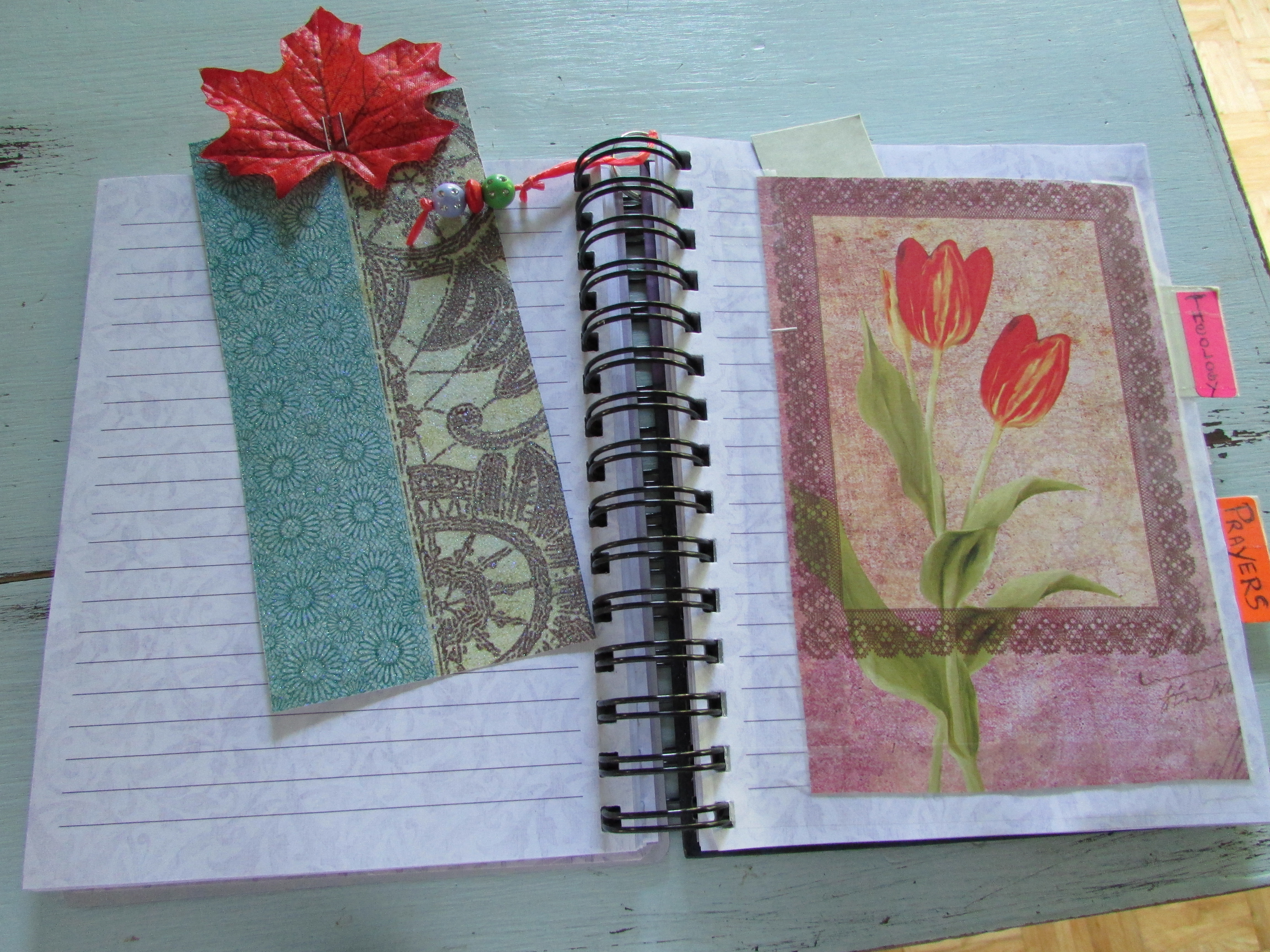
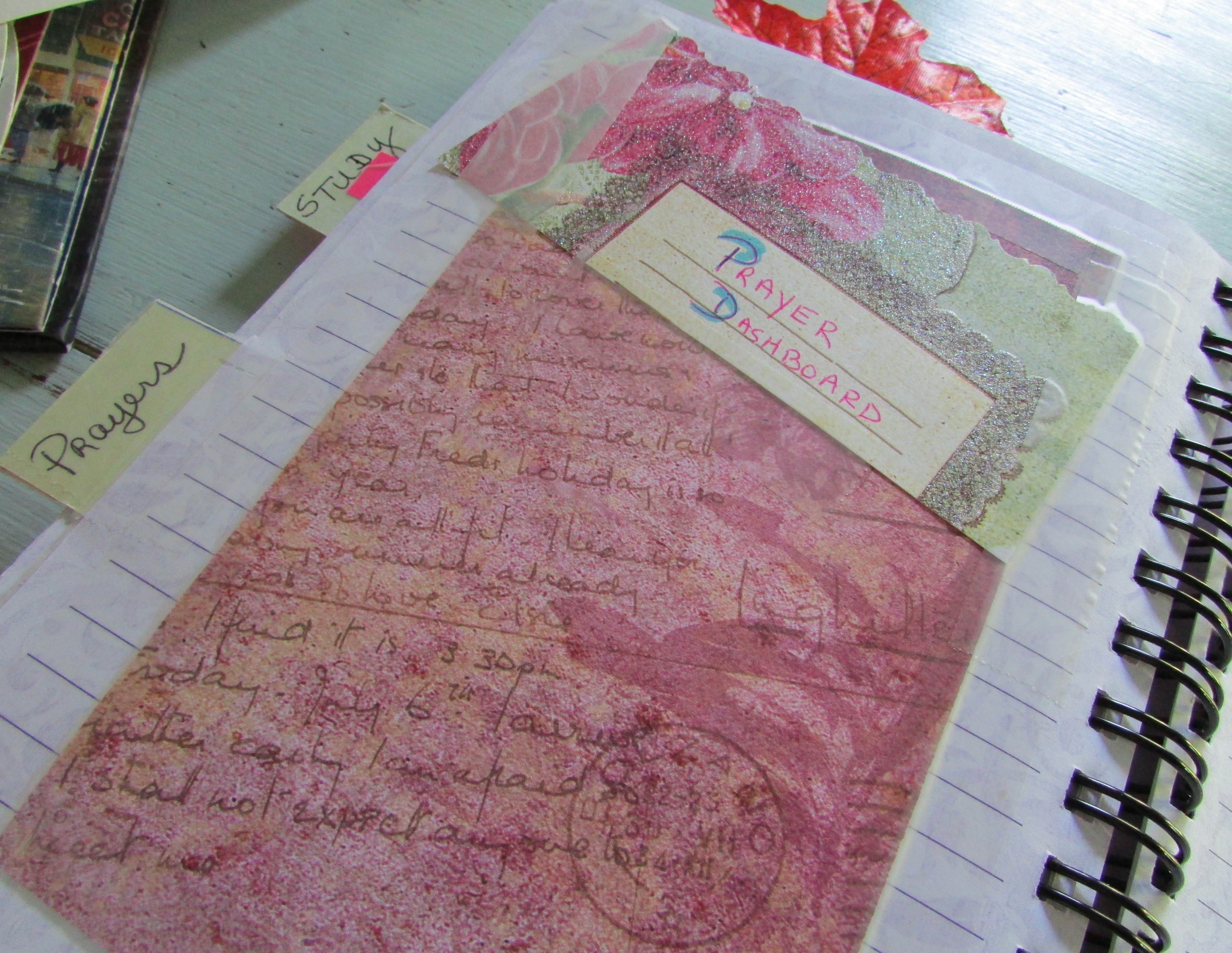
This journal is divided into three sections – Journal – Theology/study – Prayers. Of course being creative, it cannot just be a regular journal, so I took my time to find the perfect one for me and did some decoration to its pages as well. This particular one I found at Staples, the same day I went looking for the huge binder for my Home/work/life Management System (see earlier post). The cover art couldn’t have been more fitting for this type of journal. I find that taking a bit of time in the morning to meditate and learn helps me become more productive during the day, as well as setting the mood.

Here is what it looks like.

Prayer/Theology Journal

Prayer/Theology Journal

Decorated pages

Decorated pages

002 003


Of course, as I continue this part of the journey, I will end up needing more journals, but I am happy to combine my regular journal-writing practice with the study of the sacred texts, and into a devotional time. It works for me. In searching for a better way to do the study part, I will keep some points in mind.

  • Start the study with my faith (Christianity/Bible) before moving on to other faiths
  • Pay attention to the title, time, and writer or writers, as well as language (original) and how translations have affected the book. In addition, how different groups have adopted variations on interpretation (for example – Christians and Jews interpret the book of Jeremiah differently).
  • Note any main topics/ideas of a particular book, chapter, or passage and cross-reference.
  • Note my interpretation and application to my life

One thing that I am not doing is following a particular study program/system because I don’t want to rely on a sole interpretation, but will use any material that will enrich my understanding or offer cross-reference points and enhance the learning experience.


000

This is how I’m starting the new year, at 000. It is a gift just to be here, and I want to start anew, fresh, without any preconceptions. I want to live 2014 as if it was my last year here. 2013 left its mark, and I am grateful for it all. I receive this year at 000. It is a new opportunity, a new beginning, a new purpose, a new living, a new second, millisecond … . I want to make the most of it, not in traveling or great accomplishments, bucket lists, or to-do lists, but in being present every second of my life, in seeing the awe in the minuscule, the humble in the majestic, the new in the old, and the old in the new, the love in everything, and the one in all. I don’t want to take anything for granted. I want to wake up everyday at 000, the second I open my eyes. I invite you to do the same. Happy New Year! 

000 

Thanksgiving – In Poverty and Abundance

English: "The First Thanksgiving at Plymo...

English: “The First Thanksgiving at Plymouth” (1914) By Jennie A. Brownscombe (Photo credit: Wikipedia)

Tomorrow we will be celebrating Thanksgiving Day in the United States. Whether you live in abundance or in poverty, one thing is for sure – you will be thinking about “giving thanks.” The mere act of thinking about this day that we celebrate makes us ponder about the “state of our lives.” Whether you are thankful or not for your current situation has nothing to do with the level of satisfaction you derive from it.  Whether you live in abundance or poverty, your mind will reach for the file that reads “I am thankful for …” There must be something you are thankful for, just one thing.

I am thankful for many things in my life now, as well for many in the past. The future is not here yet but I aim to be grateful for it as well. When I asked myself, “What are you most grateful for and why?” I came to a halt. I could name many things I am thankful for, but I could not settle on naming just one – “the one.” Then, the answer became clear. The thing that I am most thankful for is the present second, the now. Why? Because without it, without the awareness of it, all the other things disappear from mind. It is in that second that I am alive, processing thought, that I can think of my wonderful husband, my cats, my family, friends, and all the good things around me. It is in that second, in the now, that I can experience life through my senses and brain. The scent of a traditional thanksgiving dinner, the sounds of holiday music, the pine cone candle aroma … so much to take in.

On the other side of things – the misery side – your senses and brain are probably processing different information. Maybe hunger, or pain, or heartache … so much to take in. The same milliseconds of Now, in misery and abundance become “the one thing to be grateful for” when we become one with life, with the miracle it is, beyond physical barriers. It is then that we become so grateful for the experience … just the experience.

To all of you who celebrate Thanksgiving Day, I wish you a wonderful and happy day, and to the rest of you, I wish a wonderful and happy NOW!

Ghost Words

A trashcan at a food court in Salt Lake City, Utah

A trashcan at a food court in Salt Lake City, Utah (Photo credit: Wikipedia)

The more I think about our kind, I see the complexity of our being.  This morning for example, I went for my early walk, and saw this complexity unfolding.  I am a hello, good morning person, so when I am walking and happen to see another of my species, I usually say the words.  Many times, I get some kind of response – a smile, a gesture of a head tilted sideways with a subtle up movement, a hello or a good morning.  Other times, I get nothing, a stern look, or a head down, avoiding eye contact.  This has puzzled me for so long – why do people do this?  Even animals, acknowledge other species, and theirs.  This morning, I said Good Morning to a woman who was cutting some flowers, and who politely answered with a short and quick good morning, the kind with the absence of a smile.  Later on, I said good morning to a man who had come out of his home and was ready to collect his garbage cans.  He looked at me, as if I had just insulted him, and said nothing.  As I walked further, I spotted a crossing guard who was walking to reach her morning post.  I smiled, but instead met with the quick head down to avoid eye contact.  Later on, I encountered two neighbors driving to their destination flashing smiles and waving. Thank God I’d just reached home and that was the last image I had on my mind – my happy neighbors – because I was beginning to feel a bit uninspired and yes, puzzled, about why people behave that way so early in the morning. I understand when people have had a rotten day, but so early?

It is true that we are living in a fast technologically “challenged?” society, and that we seem to “need more hours” to keep up the pace. However, we seem to have forgotten good manners while we spend the 24 hours we have. It seems to me that two very important words/phrases are almost nonexistent these days – GOOD MORNING (or Hello) and THANK YOU.

It may be my perception, but I seem to hear them less these days. It was very important to say Thank You or Good Morning, not too long ago, although it may seem another century, or as if these words have been relegated to retail pleasantries status. It puzzles me when a door is held or opened for someone, something is given, or someone takes the time or effort to do something for someone, even for a stranger, and these words are never said. As if the person at the other end was a ghost.

What has happened to us? Why are these words less important today than a few decades ago? I am not sure if the speed we live our lives has to do anything with it, or is it that our values have changed, and good manners are not important any more? Sometimes I get more thank you’s from automated systems/services or machinery than from human beings. It is not that I want to be thanked all the time, but more of a concern about “where is our kind headed.” A world where everything is taken for granted? One without gratitude? One where machines seem to have better manners than humans? Or are we there?

We all have our slip-offs and moments of “zombie awareness,” but when our hurried steps/lives become more significant than the generous acts of others (who happen to have the same 24 hours that we have), maybe it is time to stop the purposeless frenzy and think about how long  has it been since we said the Ghost Words.  By the way, Thank You for reading this.


Watercolors Friday – Celebrating Nature from Indoors

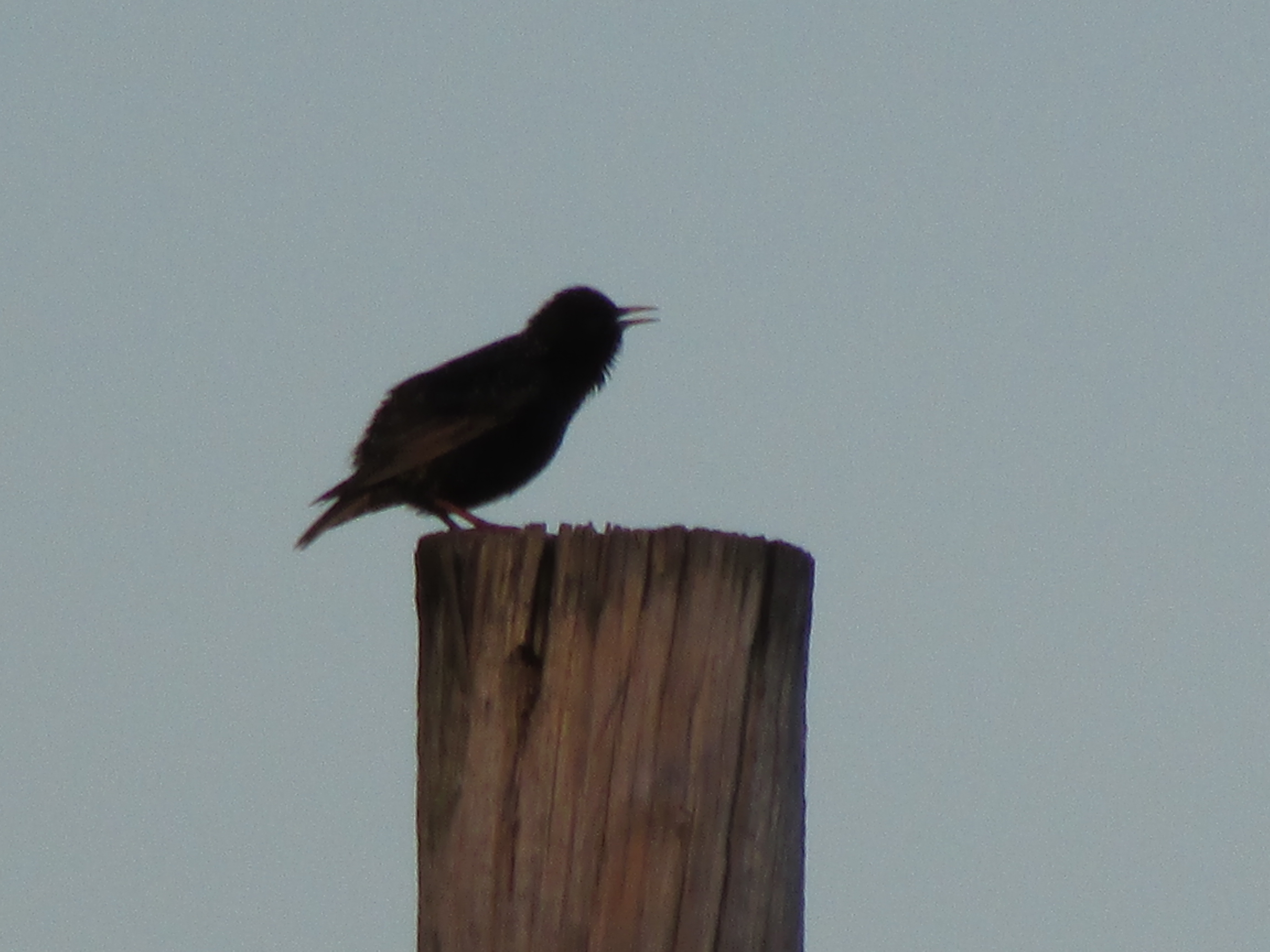
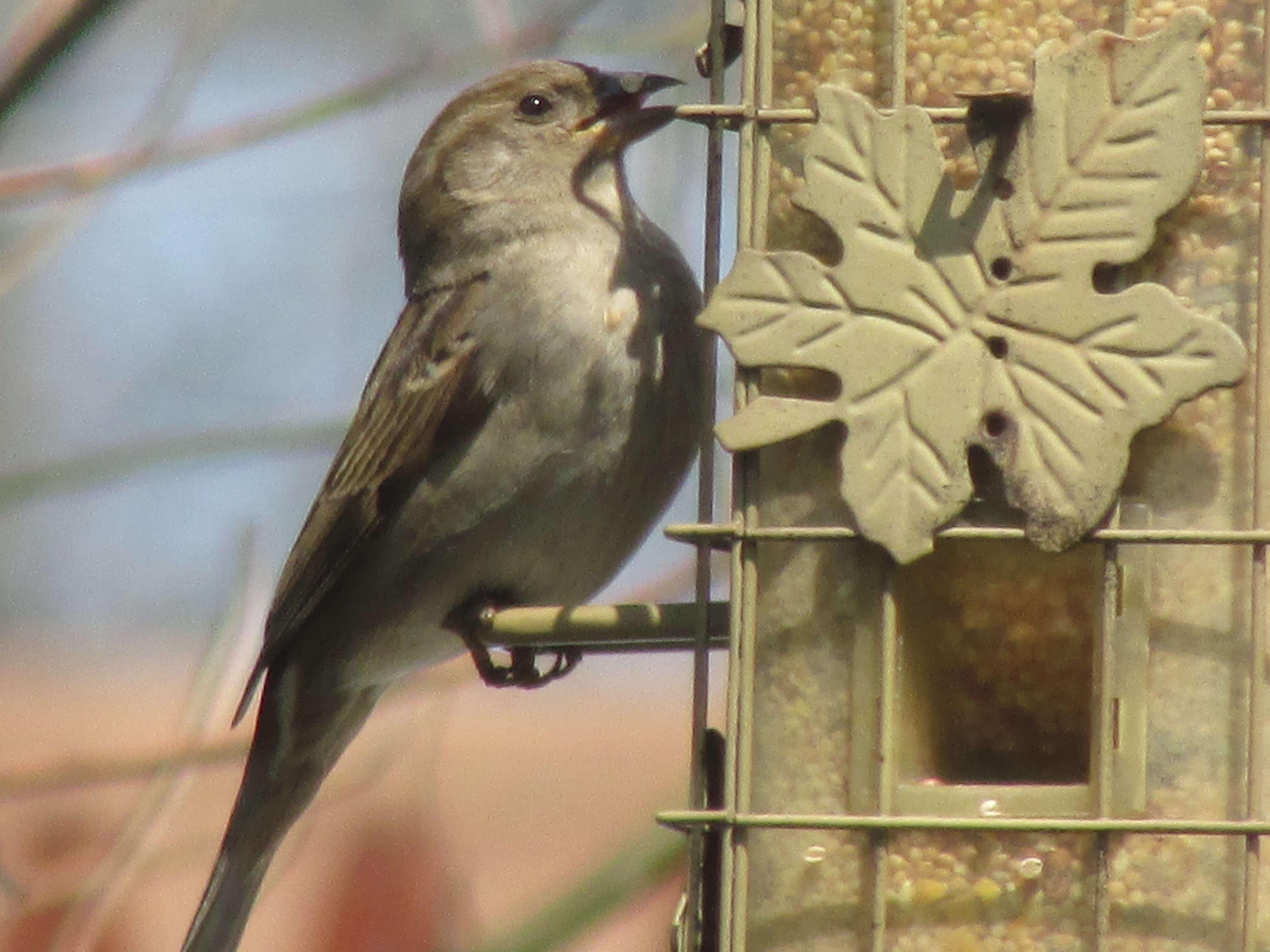
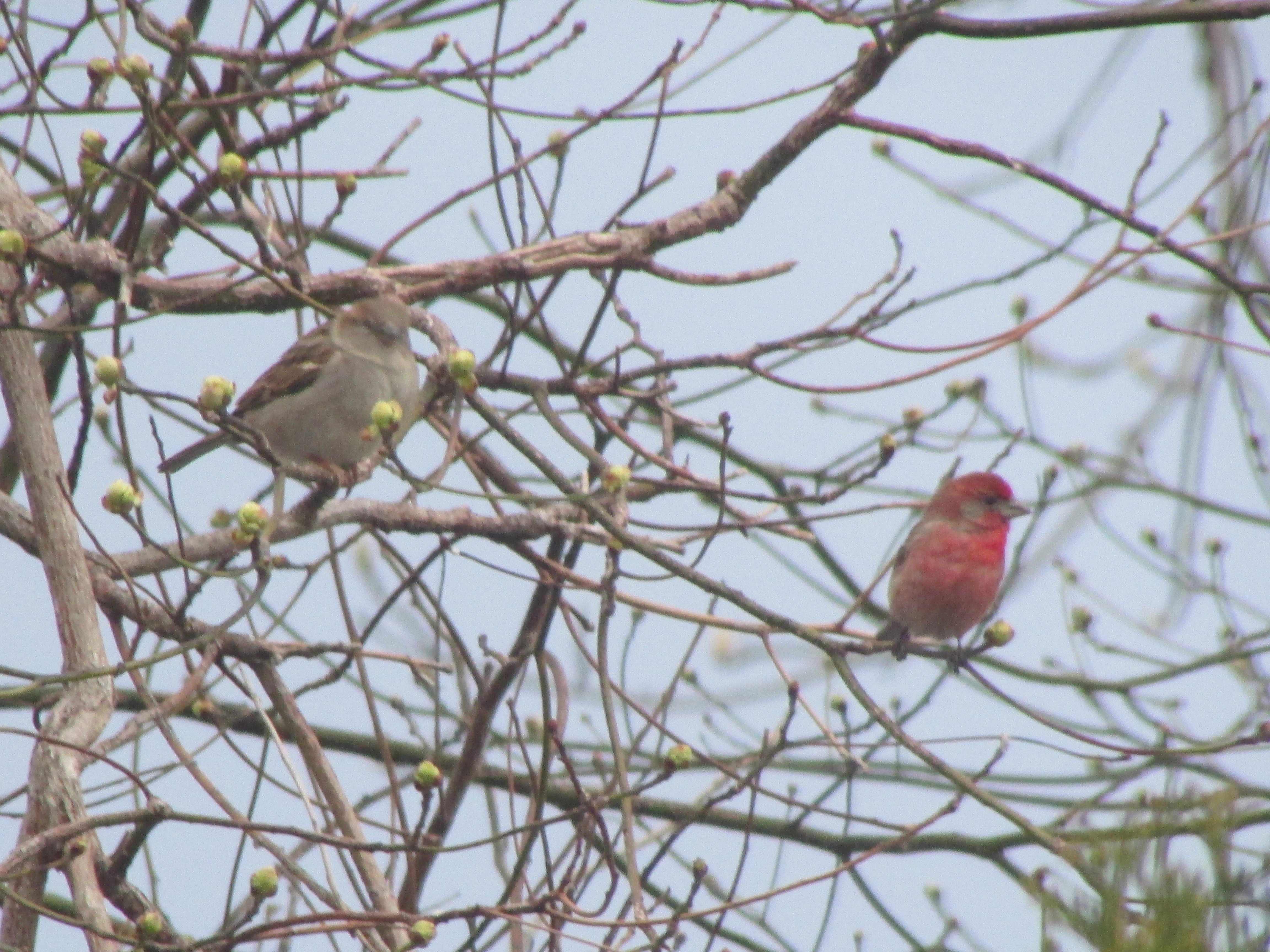
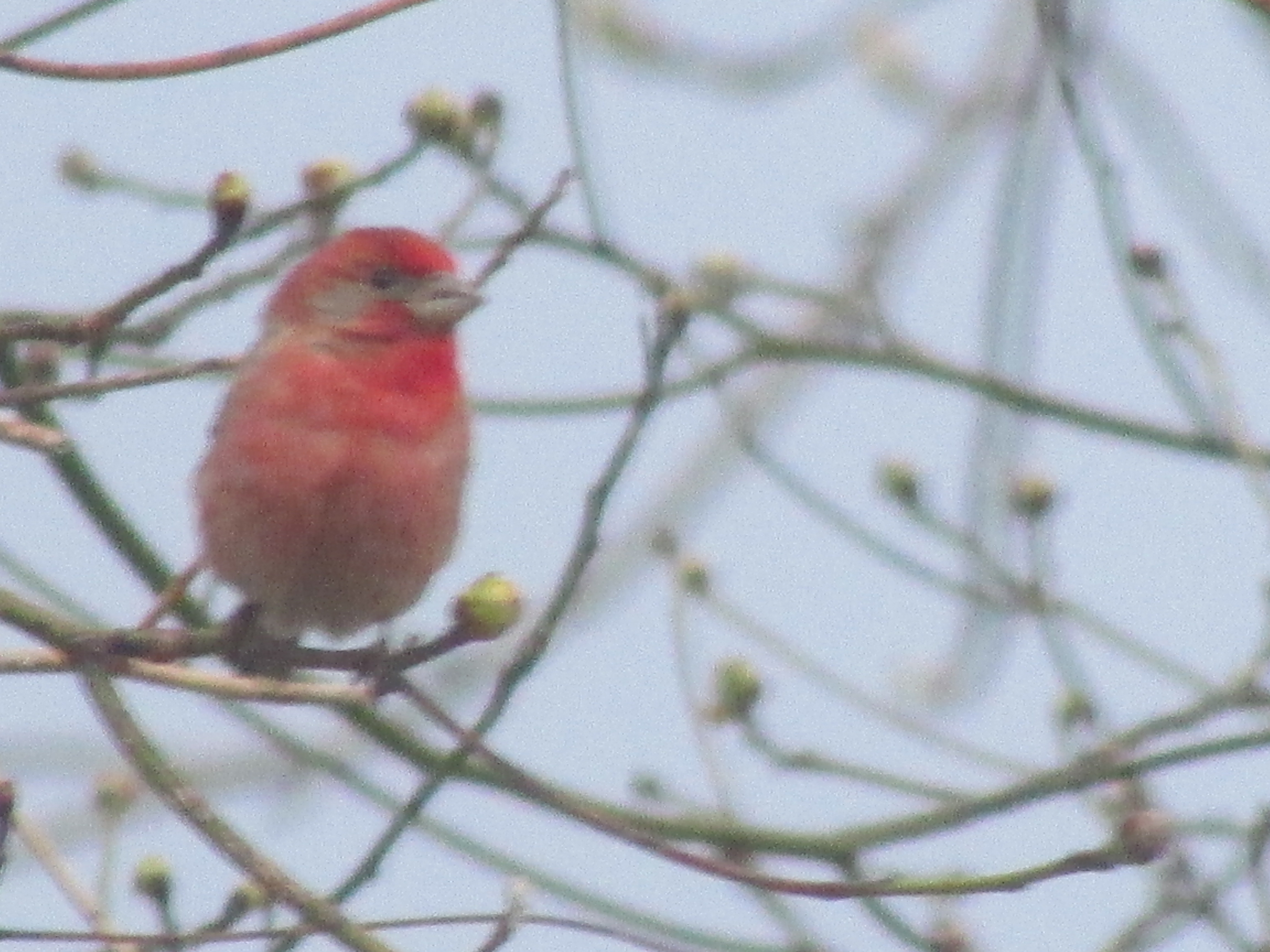
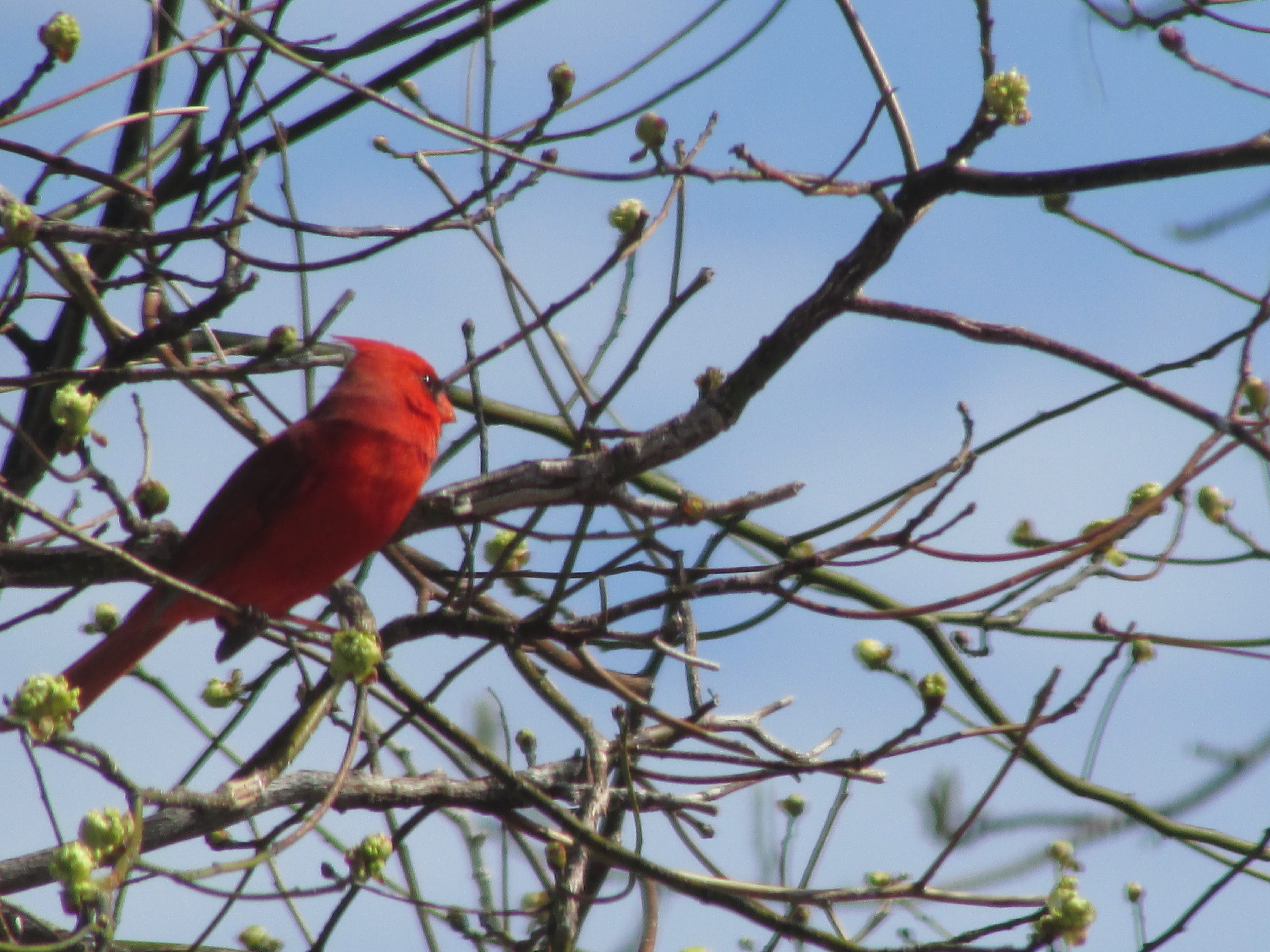
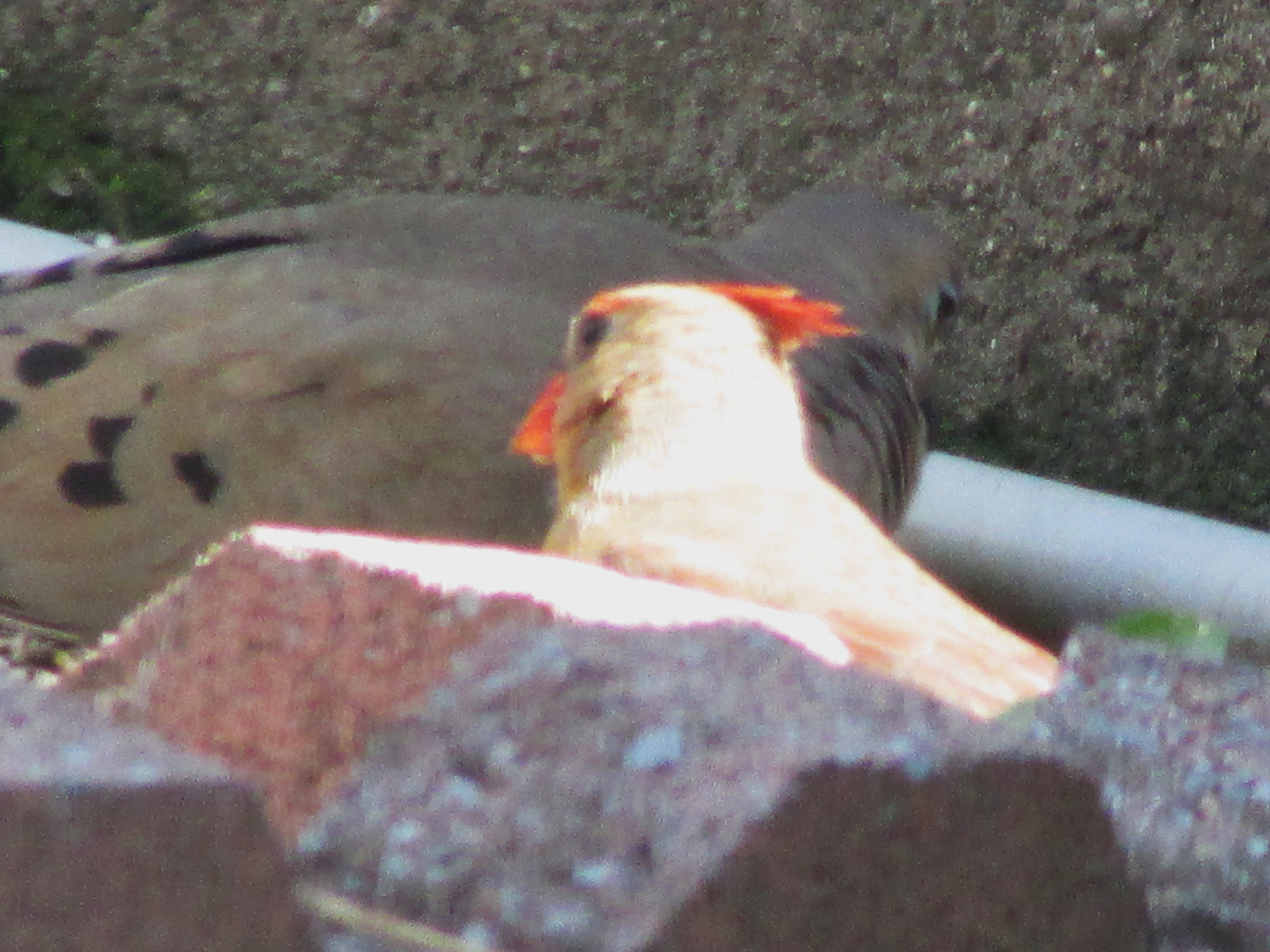
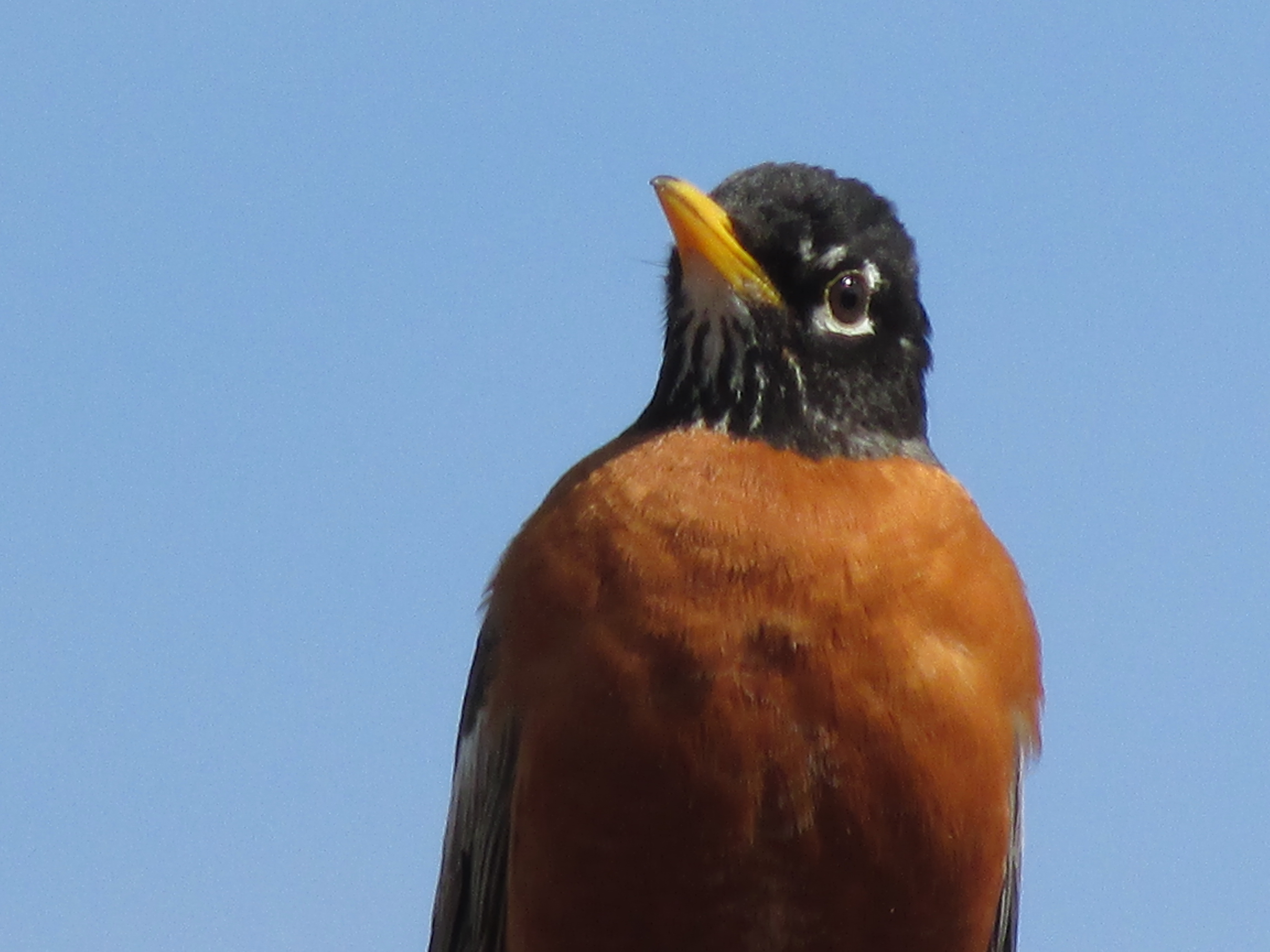
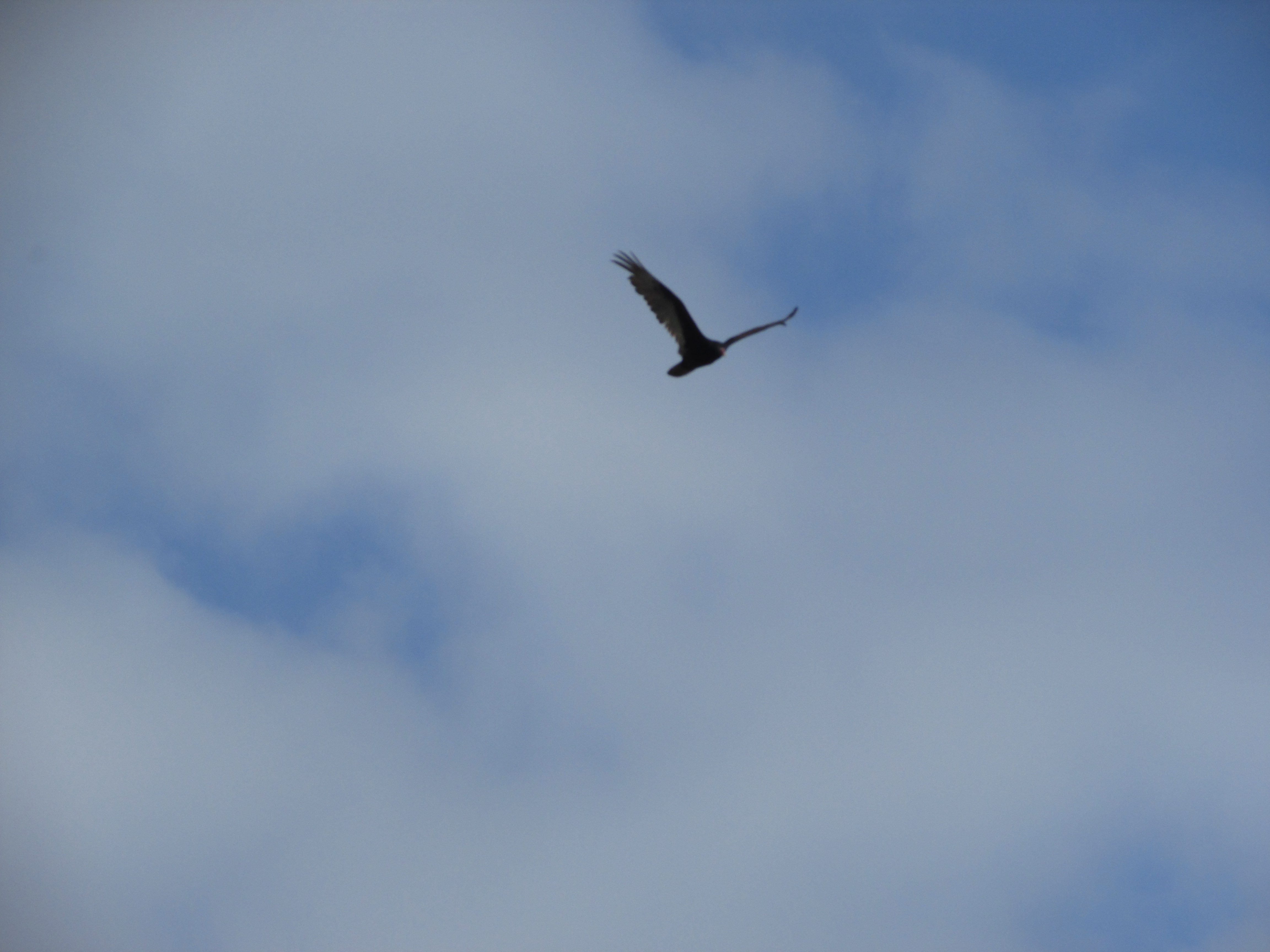
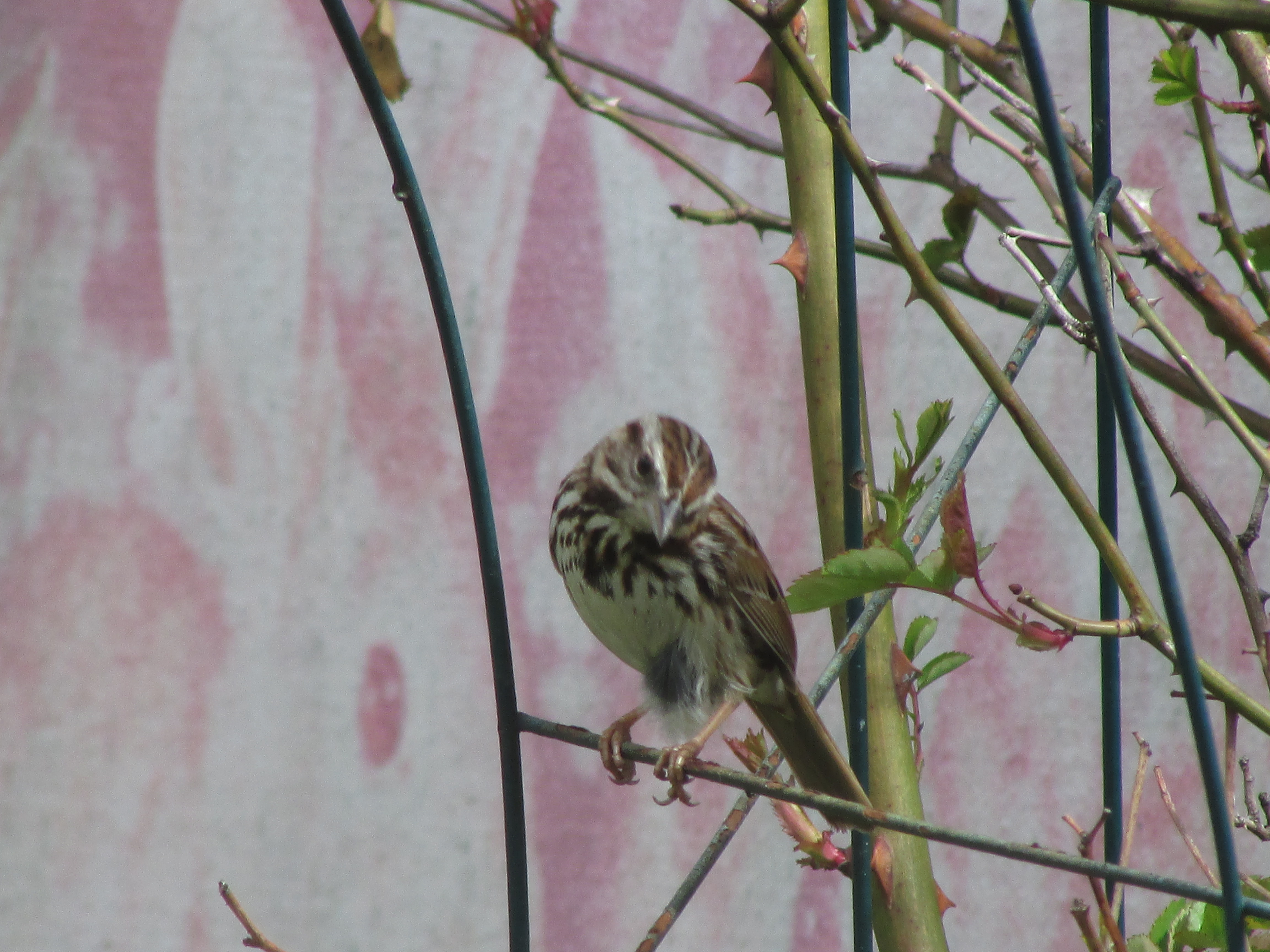
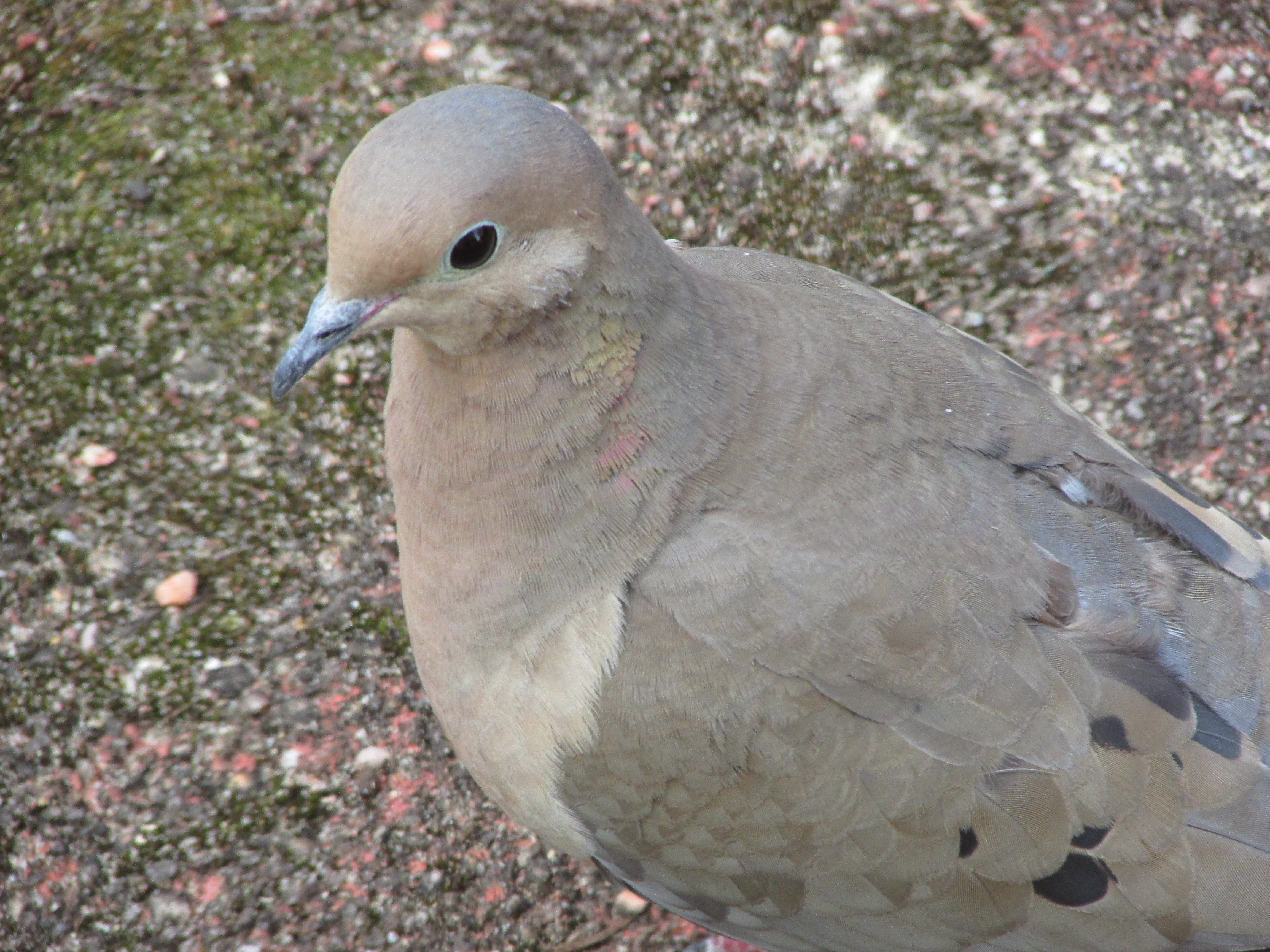
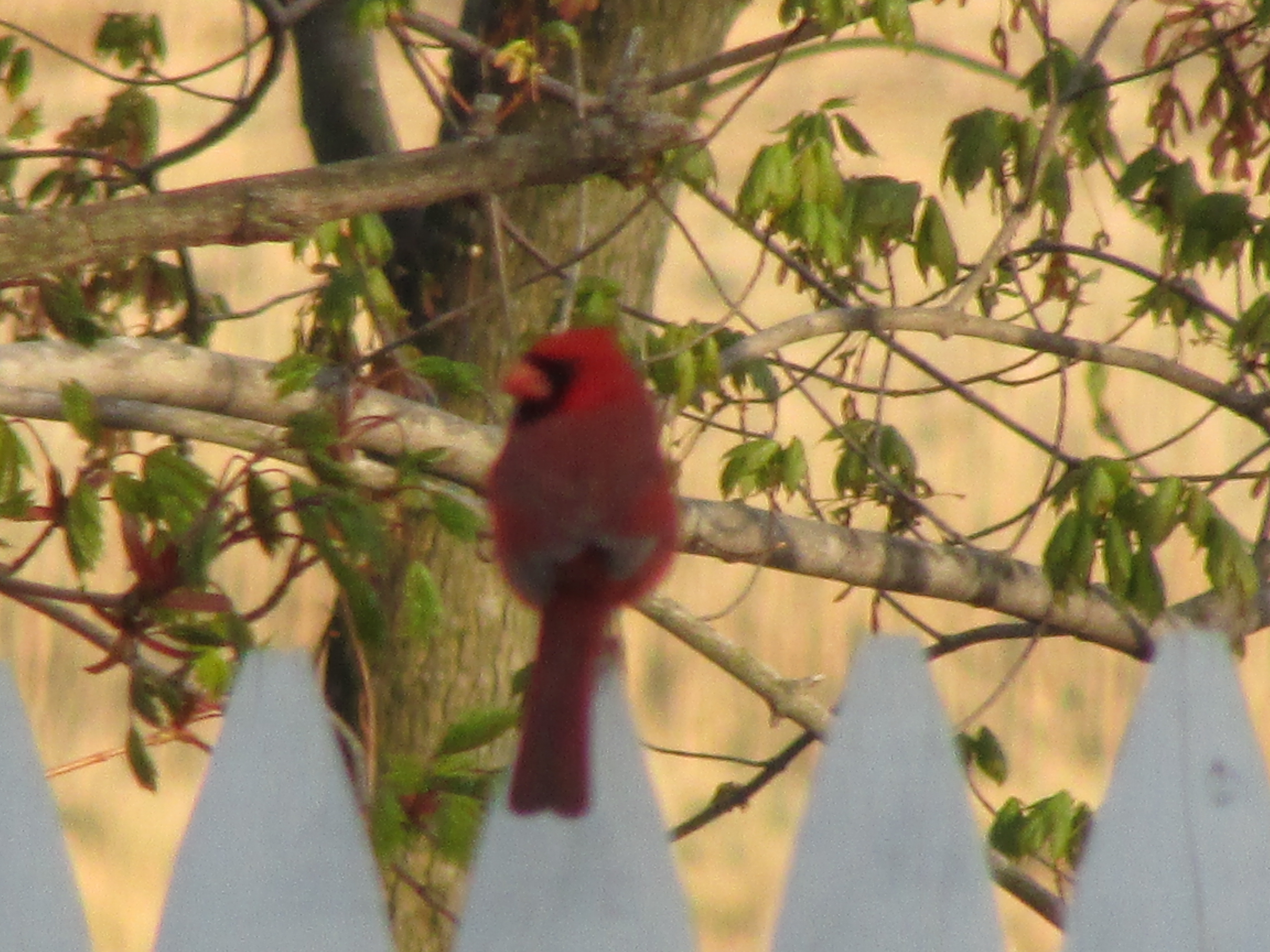
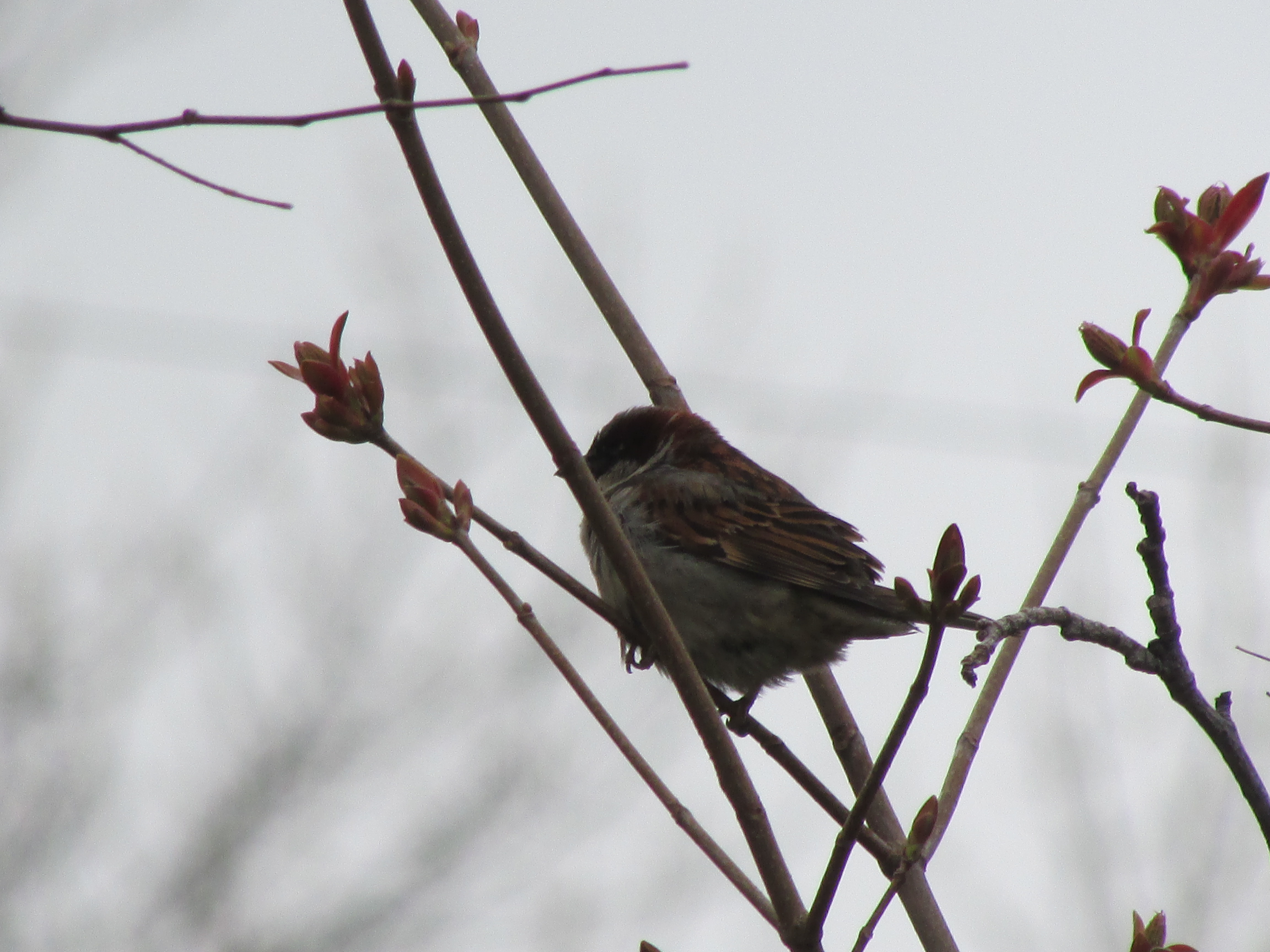
Every time I see the miracle of Nature, I can help but feel happy, and humbled by the perfection that surrounds us – Us, imperfect humans … are we?  We are part of Nature.  Today, I want to celebrate Nature, birds to be exact.  I enjoy bird watching (and that is the extent of it; I don’t know many of the names), and I am blessed, living in an area where birds are abundant, even that I am not in the country, but surrounded by wetlands, and the shore – Cliffwood Beach, New Jersey (USA).  Birds are beautiful and delicate, sweet and predictable, predatory at times, but also interesting to watch.  For the past couple of months I have observed and photographed birds every time I spotted one near my house.  I have enjoyed and watch with awe, the many birds that are around the area. I have learned to recognize a few everyday guests, many with their significant-bird.  Amanzingly, they do the same things or follow a routine, as we do many times.  Now that the trees are covered with leaves, it is hard to spot them, so I am happy that I took a few weeks to watch, as they came back for spring.

All the pictures have been taken from inside my home on purpose – I wanted to feel Nature’s blessing without stepping outside – a way of celebrating the wonders of Nature, knowing that it can trespass walls, if we are willing to be receptive.  Call it an experiment. I had fun with it and found a new depth to my surroundings. Here are a few of my favorite shots.

Photo by Maria Diaz

Photo by Maria Diaz

Photo by Maria Diaz

Photo by Maria Diaz

Photo by Maria Diaz

Photo by Maria Diaz

Photo by Maria Diaz

Photo by Maria Diaz

Photo by Maria Diaz

Photo by Maria Diaz

Photo by Maria Diaz

Photo by Maria Diaz

Photo by Maria Diaz

Photo by Maria Diaz

Photo by Maria Diaz

Photo by Maria Diaz

Photo by Maria Diaz

Photo by Maria Diaz

Photo by Maria Diaz

Photo by Maria Diaz

Photo by Maria Diaz

Photo by Maria Diaz

Photo by Maria Diaz

Photo by Maria Diaz

Photo by Maria Diaz

Photo by Maria Diaz

Photo by Maria Diaz

Photo by Maria Diaz

Photo by Maria Diaz

Photo by Maria Diaz

Photo by Maria Diaz

Photo by Maria Diaz

Photo by Maria Diaz

Photo by Maria Diaz

Photo by Maria Diaz

Photo by Maria Diaz

Photo by Maria Diaz

Photo by Maria Diaz

Photo by Maria Diaz

Photo by Maria Diaz

Photo by Maria Diaz

Photo by Maria Diaz

Photo by Maria Diaz

Photo by Maria Diaz

Photo by Maria Diaz

Photo by Maria Diaz

Photo by Maria Diaz

Photo by Maria Diaz

Photo by Maria Diaz

Photo by Maria Diaz

Photo by Maria Diaz

Photo by Maria Diaz

Photo by Maria Diaz

Photo by Maria Diaz

Photo by Maria Diaz

Photo by Maria Diaz

Photo by Maria Diaz

Photo by Maria Diaz

Photo by Maria Diaz

Photo by Maria Diaz


I hope that you enjoyed these pictures as much as I enjoyed taking them.  For those wondering what type of camera I used, it is a Canon PowerShot SX500IS 30x optical zoom.  I know nothing about photography, so please forgive any mistakes, as I only admire, point, and shoot. Just for the joy of it 🙂

HAPPY WATERCOLORS FRIDAY!